In the digital age, having an online presence is crucial for businesses and individuals alike. Search Engine Optimization, or SEO, is a key component of digital marketing that helps websites rank higher in search engine results, making them more visible to potential customers.
Understanding the basics of SEO is essential for anyone looking to improve their website’s online visibility. It’s not just about keyword placement; it’s about creating a comprehensive strategy that includes quality content, user experience, and technical optimization.
As a beginner, diving into the world of SEO can seem daunting, but it’s a vital step in ensuring your online success. By grasping the fundamentals of SEO, you’ll be better equipped to navigate the ever-changing digital landscape.
Key Takeaways
- SEO is crucial for improving online visibility.
- A comprehensive SEO strategy includes quality content and technical optimization.
- Understanding SEO basics is essential for digital marketing success.
- SEO involves more than just keyword placement.
- User experience plays a significant role in SEO.
- SEO is a vital component of online success.
Understanding SEO: What It Is and Why It Matters
In the digital age, understanding SEO is key to unlocking online success. As the internet continues to evolve, businesses and individuals alike are recognizing the importance of having a strong online presence.
To grasp the significance of SEO, it’s essential to start with its definition. SEO stands for Search Engine Optimization, which is the process of improving the quality and quantity of website traffic by increasing the visibility of a website or a web page to users of a web search engine.
Definition of SEO
SEO involves various techniques, including keyword research, on-page optimization, and link building, all aimed at making a website more search engine friendly. By understanding how search engines work and what people search for, businesses can tailor their content to meet the needs of their target audience.
The core of SEO is to make a website more visible and attractive to search engines, thereby improving its ranking on search engine results pages (SERPs).
Importance of SEO in Digital Marketing
The importance of SEO in digital marketing cannot be overstated. Here are some key reasons why SEO matters:
- Increased online visibility: By optimizing a website for search engines, businesses can increase their chances of appearing on the first page of search results, making them more visible to potential customers.
- Targeted traffic: SEO helps attract targeted traffic to a website, meaning that the visitors are actively searching for the products or services offered by the business.
- Cost-effective marketing: Compared to other forms of digital marketing, SEO is a cost-effective strategy that can provide long-term results.
- Competitive advantage: By optimizing their website for search engines, businesses can gain a competitive edge over their rivals.
By understanding SEO and its importance in digital marketing, businesses can develop effective strategies to improve their online presence and reach their target audience more effectively.
How Search Engines Work: A Brief Overview
To appreciate the complexity of search engine optimization, it’s essential to know how search engines operate. Search engines are sophisticated systems that help users find relevant information online.
Crawling, Indexing, and Ranking
The process begins with crawling, where search engines use software programs called “crawlers” or “spiders” to continuously scan and discover new and updated content on the web.
This content is then added to a massive database known as an index, where it’s stored and organized. When a user performs a search, the search engine’s algorithm analyzes the index to provide the most relevant results, a process known as ranking.

The Role of Algorithms
Algorithms play a critical role in determining the order of search engine results. These complex formulas assess numerous factors, including keyword relevance, content quality, user experience, and link equity, to rank web pages.
The constant evolution of algorithms means that search engines can refine their results, providing users with the most accurate and useful information available.
Understanding the basics of these processes is fundamental to implementing simple SEO techniques that can improve a website’s visibility and ranking.
Key Components of SEO: On-Page Optimization
On-page SEO refers to the practice of optimizing elements on your website to improve search engine rankings and drive more traffic. This involves several key components that work together to enhance your website’s visibility and user experience.
What Is On-Page SEO?
On-page SEO encompasses various techniques and strategies applied directly to your website to improve its search engine ranking. Effective on-page SEO helps search engines understand the structure and content of your website, making it easier for users to find relevant information.
The main goal of on-page SEO is to make your website search engine friendly and user-friendly. This is achieved by optimizing different elements such as title tags, meta descriptions, header tags, and content.
Title Tags and Meta Descriptions
Title tags and meta descriptions are crucial elements of on-page SEO. Title tags define the title of a webpage and appear in search engine results pages (SERPs) as the clickable headline. Meta descriptions provide a summary of the webpage’s content and appear below the title tag in SERPs.
- Use descriptive and keyword-rich title tags that accurately represent the content of the page.
- Write compelling meta descriptions that entice users to click through to your webpage.
- Ensure title tags are under 60 characters and meta descriptions are under 160 characters to avoid truncation in SERPs.

Header Tags and Content
Header tags (H1, H2, H3, etc.) are used to structure and organize content on a webpage, making it easier for users and search engines to understand. High-quality content that is informative, engaging, and optimized with relevant keywords is essential for improving search engine rankings.
- Use header tags to break up content and highlight important keywords and phrases.
- Create high-quality, keyword-optimized content that provides value to users.
- Ensure content is well-researched, engaging, and free of grammatical errors.
By focusing on these key components of on-page SEO, beginners can improve their website’s search engine ranking, drive more traffic, and enhance the overall user experience. For those new to SEO, understanding and implementing these basics is crucial for a solid foundation in seo for beginners and seo basics for website optimization.
Key Components of SEO: Off-Page Optimization
To achieve a higher search engine ranking, it’s vital to focus on off-page SEO techniques. Off-page SEO refers to the actions taken outside of your website to impact your rankings within search engine results pages (SERPs).
What Is Off-Page SEO?
Off-page SEO involves various strategies that help improve your website’s online presence and credibility. Link building is one of the most significant off-page SEO factors, as it signals to search engines that your content is valuable and worthy of citation.
Link Building Strategies
Effective link building requires a thoughtful approach. Here are some strategies to consider:
- Guest blogging on reputable sites
- Creating high-quality, linkable content
- Participating in online communities related to your niche
- Leveraging relationships with influencers and other websites
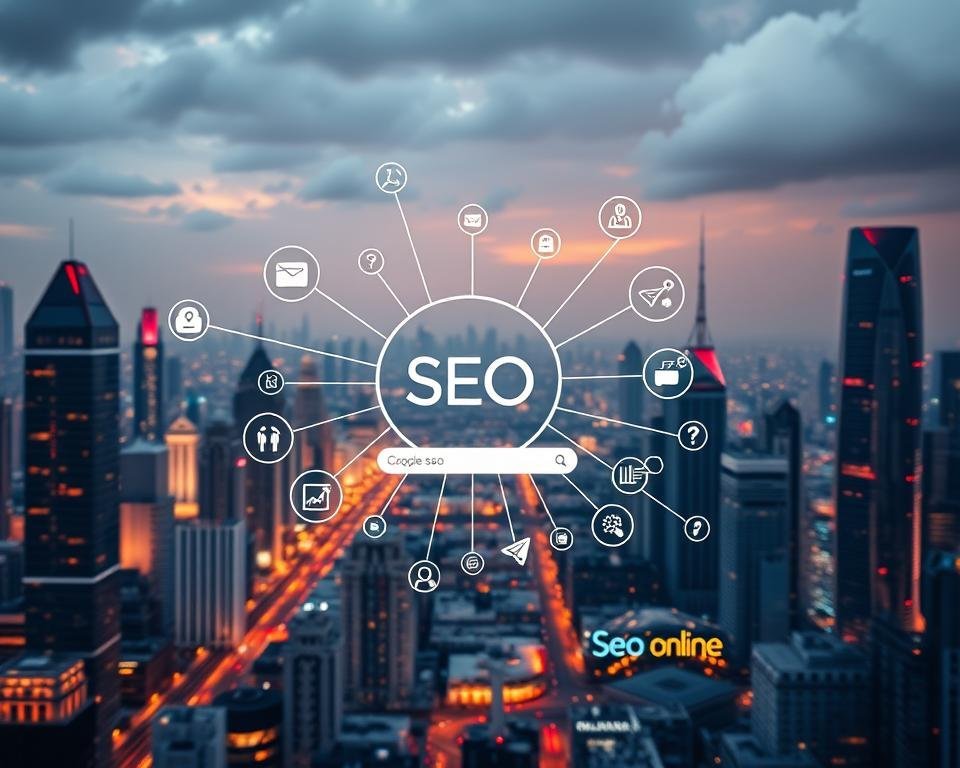
Social Media and SEO
While social media signals are not a direct ranking factor, they can significantly influence your website’s visibility and drive traffic to your site. Social media marketing can complement your SEO efforts by increasing brand awareness and attracting potential links.
Technical SEO: The Backbone of Your Website
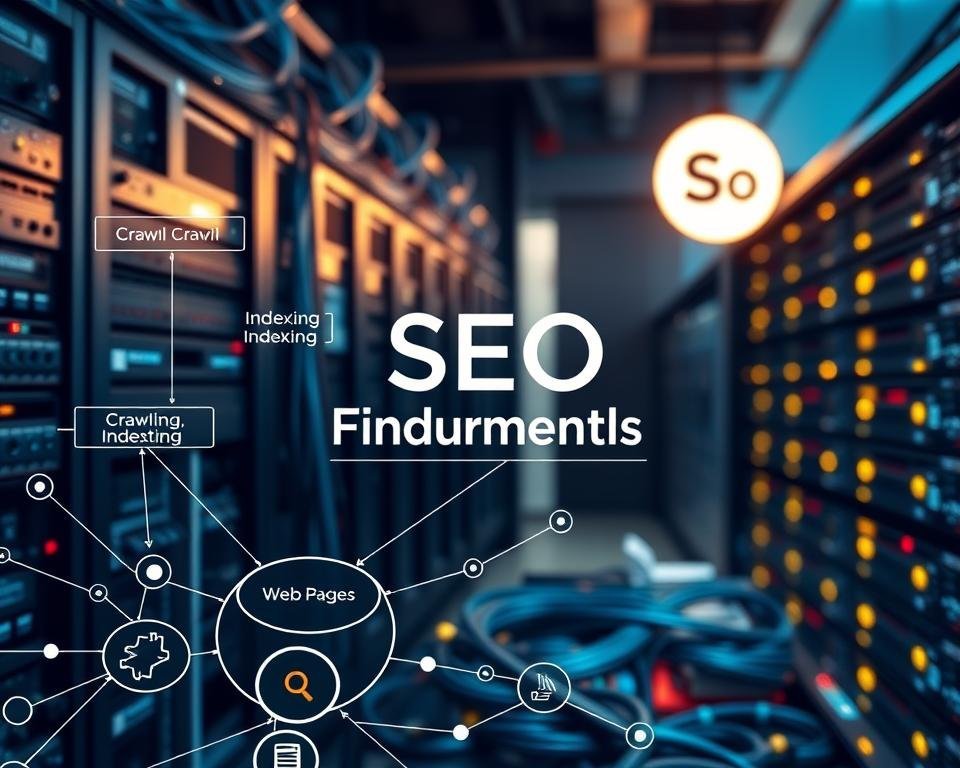
In the realm of search engine optimization, technical SEO plays a pivotal role in determining a website’s success. It encompasses various elements that impact how search engines crawl, index, and rank a site.
What Is Technical SEO?
Technical SEO refers to the process of optimizing a website’s technical aspects to improve its visibility, credibility, and ranking on search engines. This includes ensuring the site is crawlable, has a clear structure, and is free from technical issues that could hinder its performance.
Key aspects of technical SEO include:
- Site architecture and navigation
- XML sitemaps and robots.txt
- SSL encryption
- Canonicalization and duplicate content management
Importance of Site Speed
Site speed is a critical factor in technical SEO. A fast-loading website not only enhances user experience but also improves search engine rankings. Slow websites can lead to higher bounce rates and lower conversion rates.
To improve site speed, consider:
- Optimizing images and compressing files
- Leveraging browser caching
- Minimizing HTTP requests
- Using content delivery networks (CDNs)
Mobile Optimization
With the majority of internet users accessing websites through mobile devices, mobile optimization has become a necessity. A mobile-friendly website adapts to different screen sizes, ensuring a smooth user experience across various devices.
Mobile optimization tips include:
- Responsive web design
- Mobile-friendly content and formatting
- Fast loading speeds on mobile devices
- Avoiding intrusive interstitials
By focusing on these technical SEO aspects, website owners can significantly improve their site’s performance, user experience, and search engine rankings.
Keyword Research: The Foundation of SEO Strategy
To optimize your website for search engines, it’s essential to start with thorough keyword research, which lays the groundwork for your SEO efforts. Keyword research involves identifying the terms and phrases your target audience uses when searching for products, services, or information related to your business.
What Are Keywords?
Keywords are the words or phrases that people type into search engines to find what they’re looking for. Understanding the relevance and search volume of these keywords is crucial for creating content that resonates with your audience and ranks well in search engine results.
Keywords can be categorized into two main types: short-tail and long-tail keywords. Short-tail keywords are brief and generic, while long-tail keywords are more specific phrases with lower search volumes.
Tools for Keyword Research
Several tools can help you conduct effective keyword research. Some of the most popular ones include:
- Google Keyword Planner
- Ahrefs
- SEMrush
- Moz Keyword Explorer
These tools provide insights into search volume, competition, and related keywords, helping you make informed decisions about your SEO strategy.
Long-Tail vs. Short-Tail Keywords
Understanding the difference between long-tail and short-tail keywords is vital for a successful SEO strategy.
| Keyword Type | Description | Search Volume | Competition |
|---|---|---|---|
| Short-Tail Keywords | Generic terms, e.g., “SEO” | High | High |
| Long-Tail Keywords | Specific phrases, e.g., “SEO strategies for small businesses” | Lower | Lower |
Long-tail keywords, while having lower search volumes, are less competitive and can drive more targeted traffic to your website.

Content Creation: Quality Matters for SEO
In the realm of SEO, content is king, and its quality can make or break your online presence. For SEO for beginners, understanding the significance of quality content is the first step towards creating a successful online strategy.
Quality content is not just about filling pages with words; it’s about providing value to your audience. This involves understanding what types of content rank well in search engines.
Types of Content That Rank
Several types of content have proven to be effective in achieving high search engine rankings. These include:
- In-depth guides and tutorials
- Listicles and how-to articles
- Reviews and comparisons
- Original research and data-driven content
Using these formats, you can create content that not only attracts readers but also encourages sharing and linking, which are crucial for beginner SEO tips.
Content Length and Quality
The length and quality of your content play a significant role in its ranking. While there’s no one-size-fits-all answer to the ideal content length, comprehensive content that covers a topic thoroughly tends to perform better.
For instance, a detailed article that provides insights, examples, and analysis is likely to rank higher than a thin, superficial piece. Moreover, content that is well-researched, engaging, and free of grammatical errors is more likely to be shared and linked to.
The Role of User Intent
Understanding user intent is crucial in creating content that ranks. User intent refers to the reason behind a user’s search query. By aligning your content with the user’s intent, you can increase its relevance and usefulness.
For example, if a user searches for “beginner SEO tips,” they are likely looking for practical advice or guides on getting started with SEO. Creating content that directly addresses this need can improve its visibility and ranking.
To summarize, quality content is the cornerstone of a successful SEO strategy. By focusing on the types of content that rank well, maintaining high content quality, and understanding user intent, beginners can lay a solid foundation for their SEO efforts.
Local SEO: Reaching Your Community
In today’s digital landscape, understanding local SEO is vital for businesses that want to be found by local customers. Local SEO is a crucial aspect of digital marketing that helps businesses get discovered by people searching for products or services in their area.
What Is Local SEO?
Local SEO refers to the process of optimizing a website to rank higher in local search results. This involves using specific keywords, creating content relevant to a local audience, and ensuring the website is technically sound for search engines to crawl and index.
Key elements of local SEO include:
- Optimizing the website for local keywords
- Creating and optimizing a Google My Business listing
- Building high-quality local citations
- Encouraging customers to leave reviews
Google My Business Optimization
Google My Business (GMB) is a free tool that allows businesses to manage their online presence across Google, including Search and Maps. Optimizing a GMB listing is critical for local SEO.
To optimize your GMB listing:
- Claim and verify your business listing
- Complete your profile with accurate and up-to-date information
- Add high-quality photos and videos
- Respond promptly to customer reviews
Local Citations and Reviews
Local citations and reviews play a significant role in local SEO. A local citation is any online mention of a business’s name, address, and phone number (NAP).
Best practices for local citations and reviews:
- Ensure consistency of NAP across all online directories
- Get listed in reputable local business directories
- Encourage customers to leave reviews on your GMB listing and other relevant platforms
Measuring SEO Success: Tools and Metrics
To gauge the success of your SEO campaigns, it’s essential to track key performance indicators and adjust your strategies accordingly. Measuring SEO success involves understanding various metrics and leveraging the right tools to analyze your website’s performance.
Key Performance Indicators
Several key metrics indicate the success of your SEO efforts. These include:
- Organic Traffic: The number of visitors coming to your site through search engines.
- Keyword Rankings: Your website’s position in search engine results for targeted keywords.
- Conversion Rate: The percentage of visitors who complete a desired action on your site.
- Bounce Rate: The percentage of visitors who leave your site without taking further action.
Tools for SEO Analysis
To effectively measure these metrics, you need the right tools. Some of the most popular SEO analysis tools include:
| Tool | Description | Key Features |
|---|---|---|
| Google Analytics | A comprehensive tool for analyzing website traffic and behavior. | Traffic analysis, conversion tracking, audience insights |
| SEMrush | An all-in-one digital marketing tool that includes SEO analysis features. | Keyword research, competitor analysis, technical SEO audits |
| Ahrefs | A tool focused on backlink analysis and keyword research. | Backlink analysis, keyword research, content analysis |
Setting Up Google Analytics
Google Analytics is a powerful tool for understanding your website’s performance. To set it up, follow these simple steps:
- Create a Google Analytics account and set up a new property for your website.
- Add the tracking code to your website’s header or use a plugin if you’re using a CMS like WordPress.
- Configure your goals and events to track conversions and other important actions.
By following these steps and using the right metrics and tools, you can effectively measure your SEO success and make data-driven decisions to improve your digital marketing strategy.
SEO Best Practices: Tips for Beginners
For those new to SEO, adopting best practices from the start is crucial for achieving long-term success. SEO is a constantly evolving field, and what works today may not be as effective tomorrow. Therefore, understanding and implementing the right strategies is key to improving your website’s visibility on search engines.
White-Hat vs. Black-Hat SEO
One of the fundamental aspects of SEO is understanding the difference between white-hat and black-hat SEO. White-hat SEO refers to the use of techniques that are in line with search engine guidelines, focusing on creating high-quality content and improving user experience. On the other hand, black-hat SEO involves manipulative tactics that violate search engine guidelines, such as keyword stuffing and link farming, which can lead to penalties.
For beginners, it’s essential to adopt white-hat SEO strategies to ensure sustainable growth and avoid the risks associated with black-hat techniques.
Consistency and Patience
SEO is not a one-time task but an ongoing process that requires consistency and patience. It’s crucial to regularly update your content, monitor your website’s performance, and adjust your strategies based on the data you collect. Consistency in applying SEO best practices helps in building credibility with search engines, while patience is necessary because SEO results are typically seen over a longer period.
Staying Updated on SEO Trends
The SEO landscape is constantly changing due to algorithm updates and new technologies. Staying updated on the latest SEO trends is vital for maintaining and improving your website’s ranking. This can be achieved by following reputable SEO blogs, attending webinars, and participating in SEO communities.
To illustrate the impact of different SEO strategies, consider the following comparison:
| SEO Strategy | Description | Impact on Ranking |
|---|---|---|
| White-Hat SEO | Focuses on quality content and user experience | Positive, sustainable improvement |
| Black-Hat SEO | Involves manipulative tactics like keyword stuffing | Negative, risk of penalties |
| Consistent SEO Efforts | Regular updates and monitoring | Gradual, long-term improvement |
By adopting white-hat SEO practices, being consistent, and staying informed about the latest trends, beginners can set a strong foundation for their SEO efforts.
Common SEO Mistakes to Avoid
Understanding the mistakes that can derail your SEO efforts is essential for achieving success in search engine rankings. As you work on optimizing your website, being aware of common pitfalls can help you navigate the complex landscape of SEO.
Ignoring Mobile Users
With the majority of internet users accessing websites through mobile devices, ignoring mobile users can significantly impact your SEO. Ensuring that your website is mobile-friendly is no longer optional but a necessity. Google’s algorithms favor mobile-optimized sites, making it crucial for SEO success.
Key aspects of mobile optimization include:
- Responsive design that adapts to different screen sizes
- Fast loading speeds on mobile devices
- Easy navigation and readability on smaller screens
Overlooking Metadata
Metadata, including title tags and meta descriptions, plays a vital role in how search engines understand and rank your content. Overlooking metadata can result in missed opportunities to improve your click-through rates and search engine rankings.
| Metadata Element | Purpose | Best Practice |
|---|---|---|
| Title Tags | Defines the title of a page | Include target keywords, keep under 60 characters |
| Meta Descriptions | Summarizes the content of a page | Entice users to click, include keywords, keep under 160 characters |
Neglecting User Experience
Neglecting user experience can have a detrimental effect on your SEO efforts. Search engines prioritize sites that offer a good user experience, including factors like page speed, content quality, and ease of navigation.
For SEO for beginners, focusing on user experience is a foundational step. By ensuring your website is user-friendly and provides value to your visitors, you can improve your search engine rankings and drive more traffic to your site.
Understanding SEO and its intricacies is crucial for avoiding common mistakes. By being mindful of mobile optimization, metadata, and user experience, you can significantly enhance your website’s visibility and performance in search engine results.
Future of SEO: Trends to Watch
The landscape of SEO is constantly evolving, driven by technological advancements and changing user behaviors. Understanding the basics of SEO is crucial for adapting to these changes and staying ahead in the digital marketing landscape.
Artificial Intelligence and SEO
Artificial intelligence (AI) is transforming the way search engines rank websites. AI algorithms can analyze vast amounts of data, improving the accuracy of search results. To optimize for AI-driven search engines, it’s essential to grasp the seo basics for website, including high-quality content creation and technical optimization.
Voice Search Optimization
The rise of voice search is changing the way users interact with search engines. With the increasing popularity of voice assistants, optimizing for voice search is becoming crucial. This involves understanding natural language patterns and incorporating long-tail keywords into your SEO strategy.
Adapting to Evolving User Behavior
User behavior is a key factor in determining SEO success. As users’ expectations and behaviors evolve, SEO strategies must adapt. This includes focusing on user experience, mobile optimization, and creating content that meets the needs of your target audience. By staying informed about the basic of seo and seo basics for website, you can refine your strategy to meet the changing demands of users.
FAQ
What is the basic of SEO?
The basics of SEO include understanding how search engines work, keyword research, on-page optimization, off-page optimization, technical SEO, and content creation. Mastering these fundamentals is crucial for improving a website’s visibility and ranking on search engines.
How do I optimize my website for search engines?
To optimize your website for search engines, focus on on-page SEO techniques such as optimizing title tags, meta descriptions, header tags, and content. Additionally, ensure your website is mobile-friendly, has a good site speed, and is technically sound. Off-page SEO strategies like link building and social media promotion can also enhance your website’s visibility.
What is the difference between on-page and off-page SEO?
On-page SEO refers to the optimization techniques applied directly to your website, such as content optimization, meta tags, and internal linking. Off-page SEO, on the other hand, involves strategies that occur outside of your website, like link building, social media marketing, and local SEO, which all contribute to your website’s online reputation and authority.
How important is keyword research in SEO?
Keyword research is a critical component of SEO as it helps you understand what your target audience is searching for and how to tailor your content to meet their needs. By identifying relevant keywords, you can optimize your content to rank higher in search engine results pages (SERPs) and drive more targeted traffic to your website.
What is technical SEO, and why is it important?
Technical SEO refers to the process of optimizing your website’s technical aspects to improve its crawlability, indexability, and overall performance. This includes aspects like site speed, mobile optimization, XML sitemaps, and schema markup. Technical SEO is essential for ensuring search engines can properly crawl and index your website, which is vital for achieving good rankings.
How does content quality affect SEO?
High-quality, engaging, and informative content is crucial for SEO as it directly impacts how search engines rank your website. Content that provides value to users is more likely to be shared, linked to, and ranked higher in search results. Moreover, content quality is a key factor in determining user experience, which is also a ranking factor.
What is the role of user intent in SEO?
User intent refers to the reason behind a user’s search query. Understanding user intent is vital in SEO as it helps you create content that meets the user’s needs, thereby improving the relevance and usefulness of your content. By aligning your content with user intent, you can increase the likelihood of ranking higher in search engine results.
How can I measure the success of my SEO efforts?
To measure the success of your SEO efforts, track key metrics such as organic traffic, keyword rankings, click-through rates (CTR), and conversion rates. Utilize tools like Google Analytics and SEO analysis software to monitor your website’s performance and adjust your SEO strategies accordingly.
What are some common SEO mistakes to avoid?
Common SEO mistakes to avoid include ignoring mobile users, overlooking metadata, neglecting user experience, and engaging in black-hat SEO tactics like keyword stuffing and link schemes. Staying informed about the latest SEO best practices and trends can help you avoid these pitfalls.
How often should I update my SEO strategy?
You should regularly review and update your SEO strategy to keep pace with changing search engine algorithms, user behavior, and industry trends. Staying up-to-date with the latest SEO developments and adjusting your strategy as needed can help maintain and improve your website’s search engine rankings over time.